How a small VR team brought clarity to complex projects
The numbers
Increase in ROI
Hours saved
Tasks automated
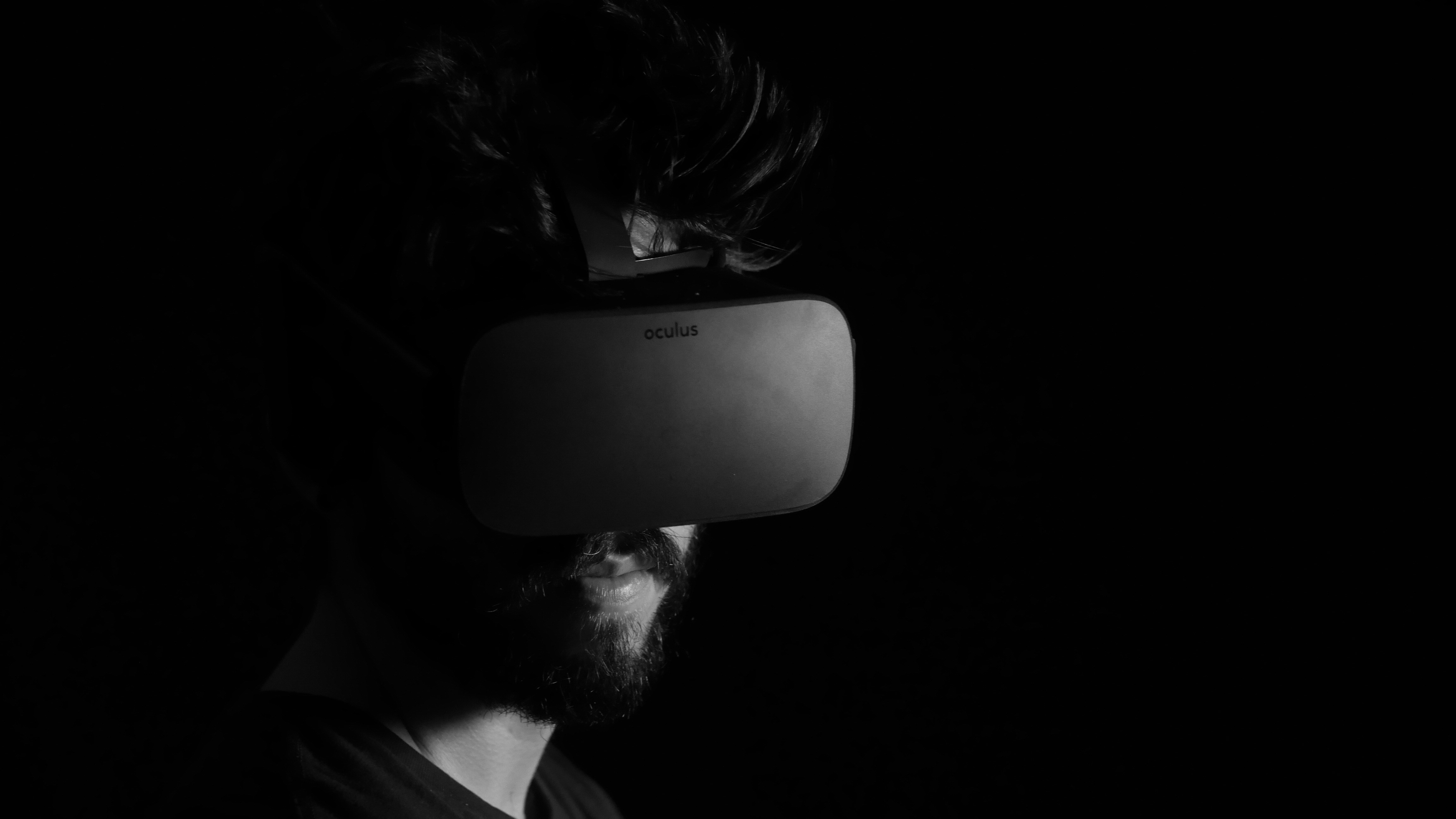
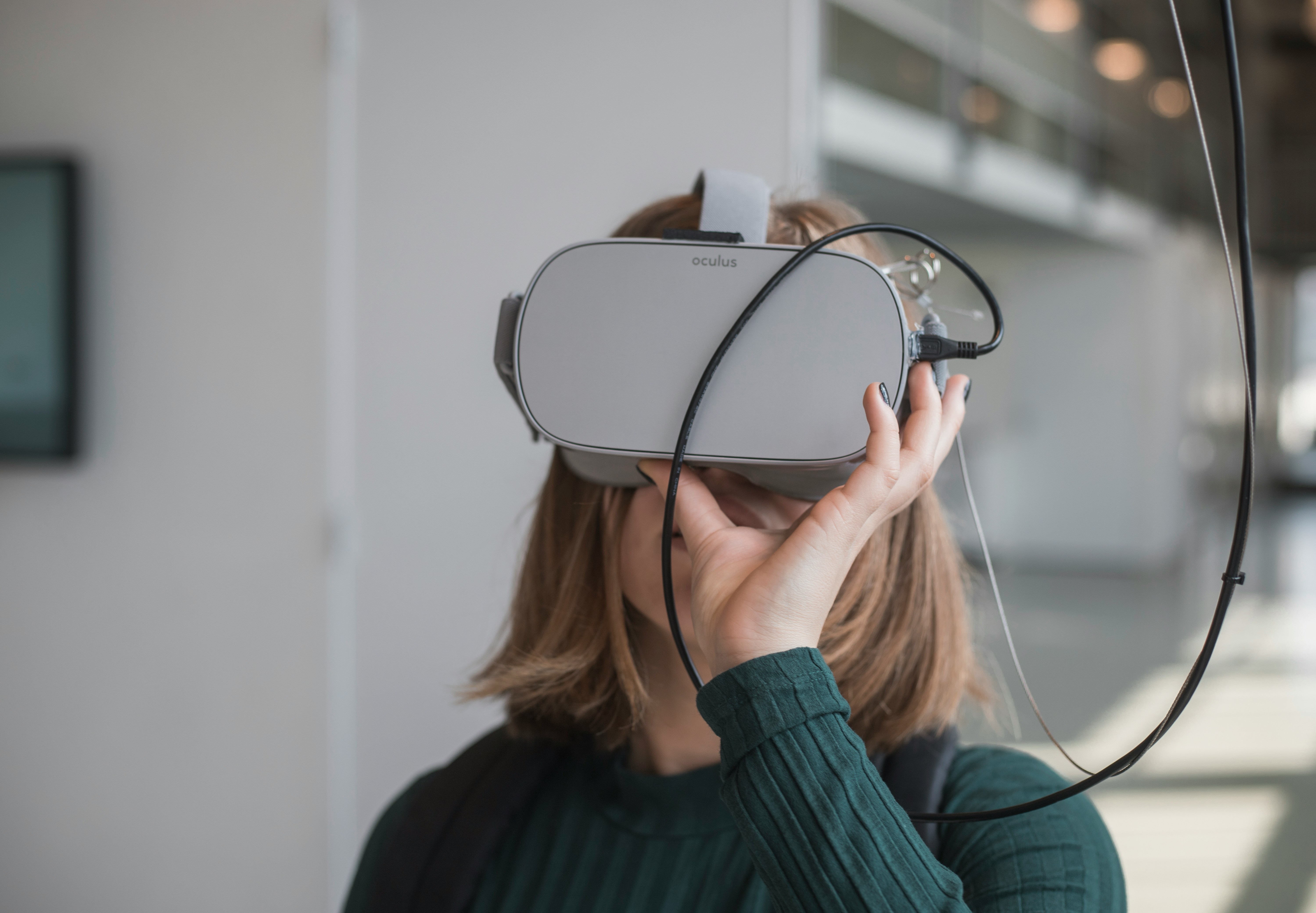
Building virtual reality products comes with a unique set of challenges. Design, engineering, and testing often happen in parallel, and changes can ripple quickly across a project. For one growing VR company, keeping everyone aligned became harder as their work matured. This case looks at how the team restructured their workflow to regain clarity without slowing down.
The story
The challenge
The team worked across multiple disciplines. Designers explored new environments, engineers focused on performance and stability, and testers moved between early concepts and finished builds. Much of the communication happened in chat and scattered documents.
As projects grew more complex, small issues started to surface. Tasks were unclear. Files were hard to find. Decisions were made in conversations that were difficult to revisit later.
The team did not need more tools. They needed a clearer way to organise their work.
A shift in structure
The first change was simple. The team created shared boards for each active project and moved ongoing tasks into a single view. Instead of tracking progress through messages, work was updated directly on the board.
Each task became a small container for context. Notes, files, and comments stayed attached to the work they described. This made it easier to understand what was happening without asking for updates.
Over time, the team adjusted the structure to fit their process. Columns were renamed. Some steps were removed. Others were added as the product evolved.
Keeping conversations grounded
One of the biggest improvements came from moving conversations closer to the work. Instead of discussing changes in long chat threads, updates were shared directly on tasks.
This reduced misunderstandings and helped new team members understand decisions made earlier in the project. Context was no longer spread across tools.
The team noticed fewer repeated questions and less time spent explaining past choices.
Staying focused during busy periods
VR development often includes intense testing cycles. During these periods, the team needed to stay focused without missing important updates.
By keeping notifications minimal and relevant, the team could check progress deliberately instead of reacting constantly. This helped maintain attention during longer work sessions.
The result was a steadier pace, even when deadlines approached.
The outcome
After a few weeks, the team felt the difference. Projects were easier to follow. Meetings became shorter. Updates were clearer.
Most importantly, the system adapted as the team grew. They did not have to rethink their setup every time a new project started.
For a team working in a fast-moving and technically demanding space, having a calm structure made it easier to focus on building great experiences.
Sometimes, clarity is the most important feature.
Solution | Challenge it solves | How it works |
|---|---|---|
Team boards | Lack of shared overview across disciplines | All active work lives on shared boards, so designers, engineers, and testers can follow progress in one place. |
Task-based conversations | Decisions getting lost in chat | Comments and updates stay attached to tasks, keeping context easy to revisit later. |
Calm notifications | Constant interruptions during focus-heavy work | Updates are visible without being intrusive, allowing the team to check in deliberately instead of reacting constantly. |
Get in touch
Have a question, need more details, or want to talk through your setup? Send us a message and we’ll get back to you as soon as we can.
100 Fiction Ln, San Francisco, USA
Keep reading

hello@huddle.com
+1 (555) 010-4820
100 Fiction Ln, San Francisco, USA